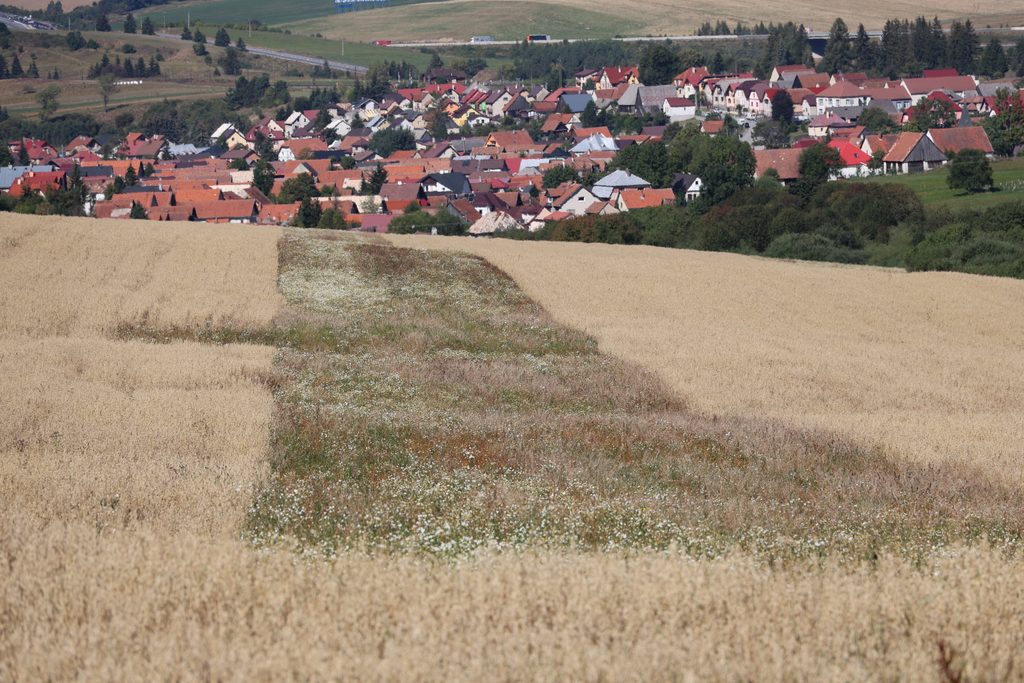
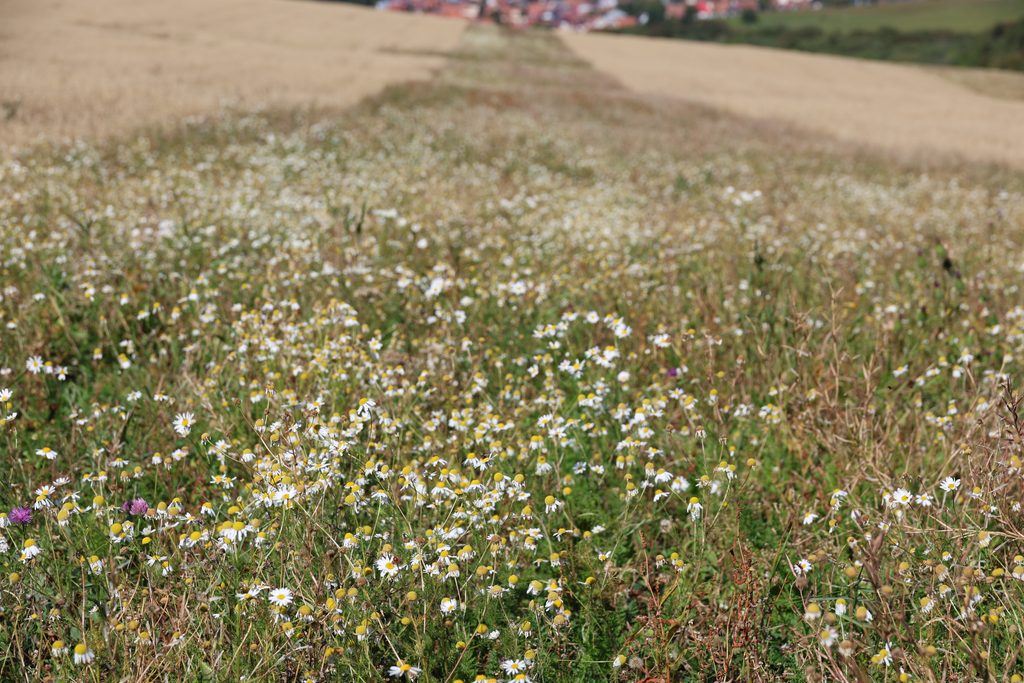
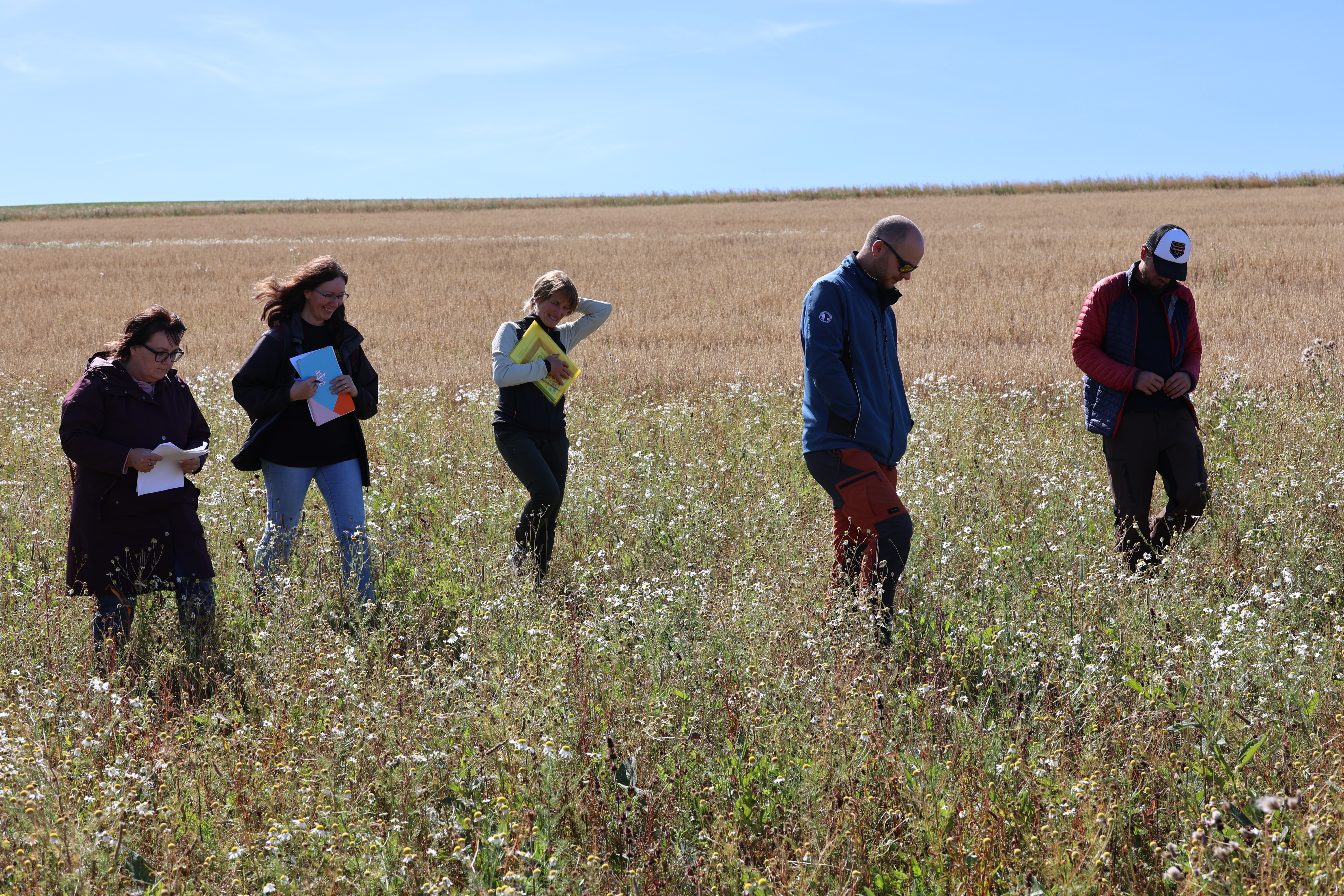
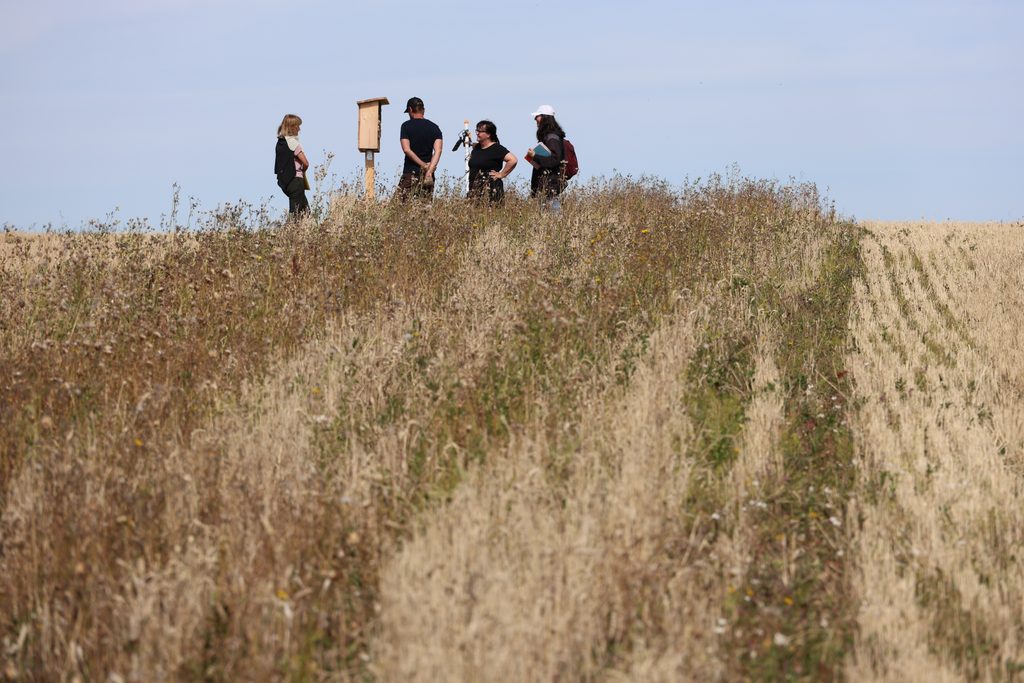
In early September 2026, an operational field meeting was held on the innovative plots in AELL Tatry with the aim of assessing the condition of the new non‑productive areas sown in spring and planning their further management. The meeting was attended by researchers from the Institute of Landscape Ecology of the Slovak Academy of Sciences, representatives of the seed company Agrostis, which supplied the seed mixtures for these plots, and representative of farms in Važec and Poprad.
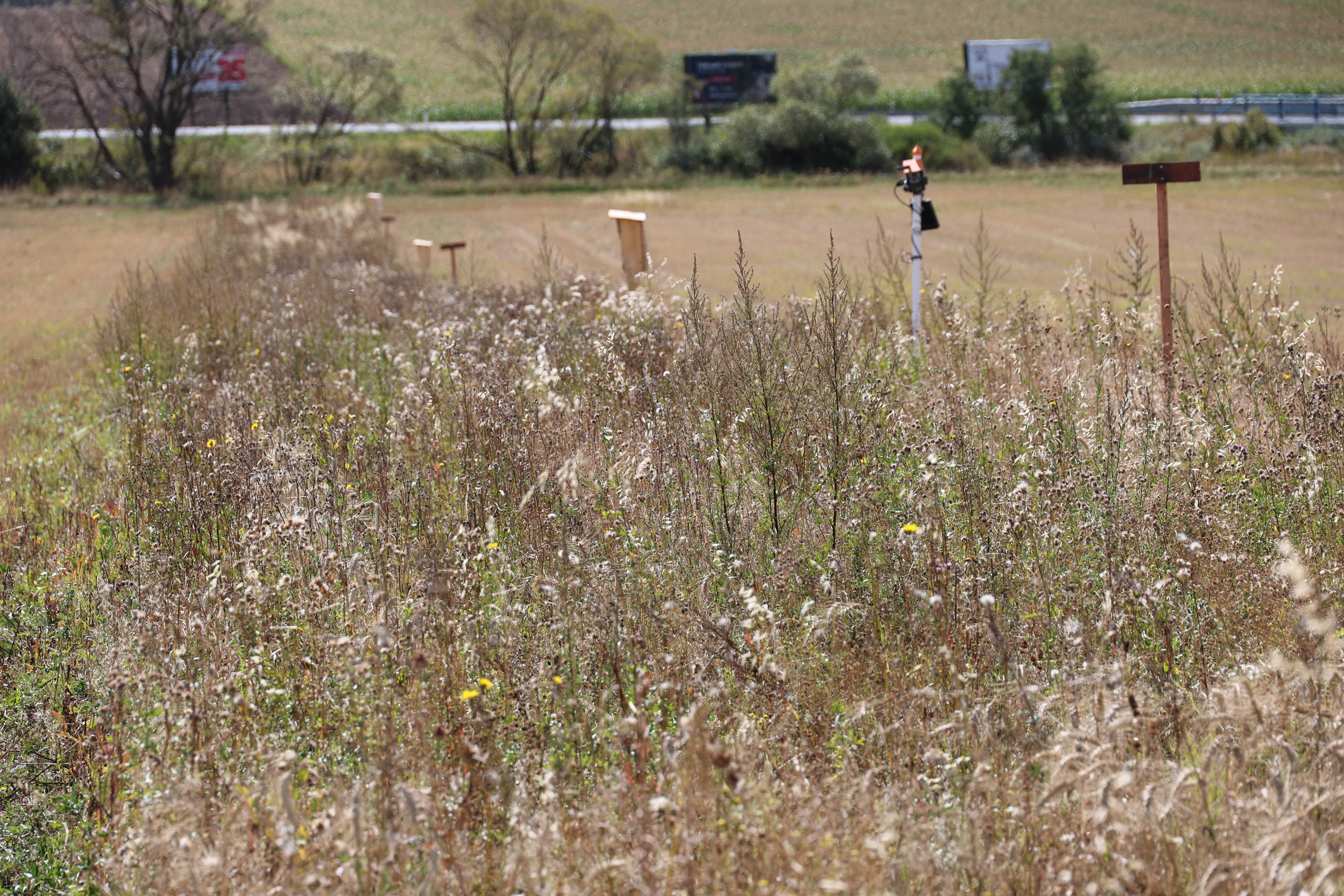
The newly established biostrips were largely covered by weeds, while the sown herbs and grasses have so far established themselves to a lesser extent. According to Agrostis representatives, the development looks promising, and although it was slowed down by climatic conditions during spring and summer (lack of rainfall, high temperatures), most of the sown grasses and herbs should establish successfully in the future.
The agreed management for these areas includes mowing and biomass removal during autumn 2026 and two mowing cycles in 2027.
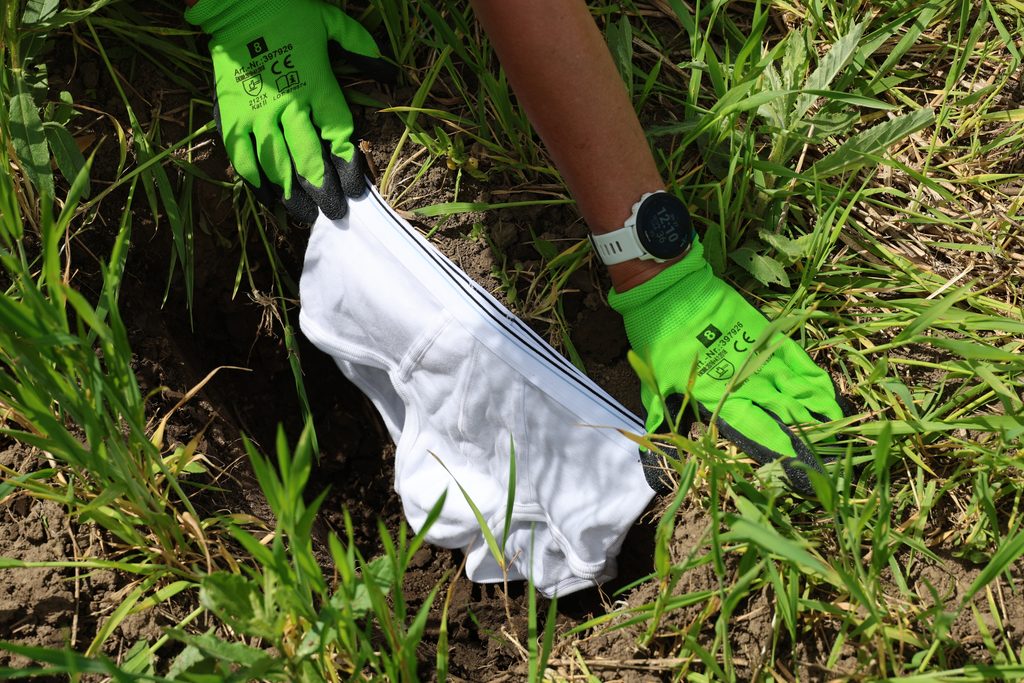
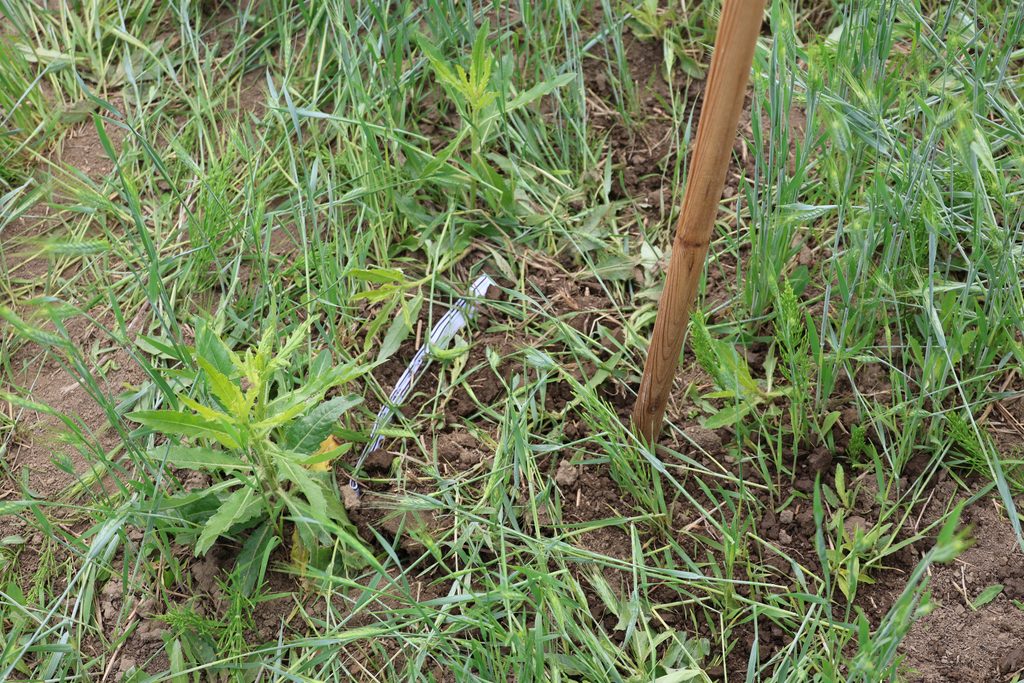
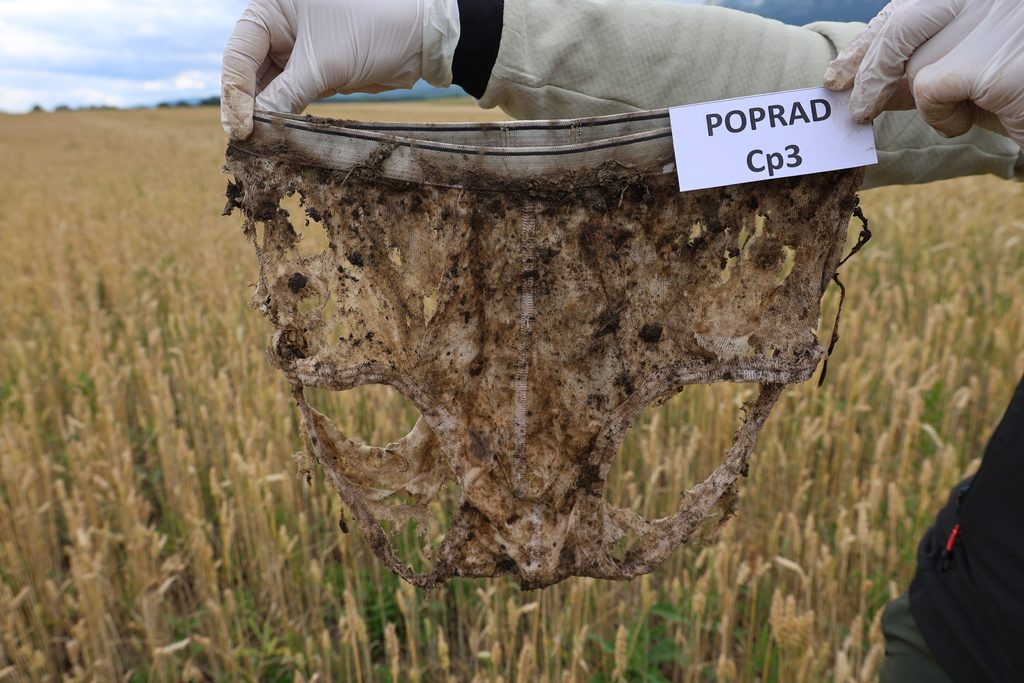
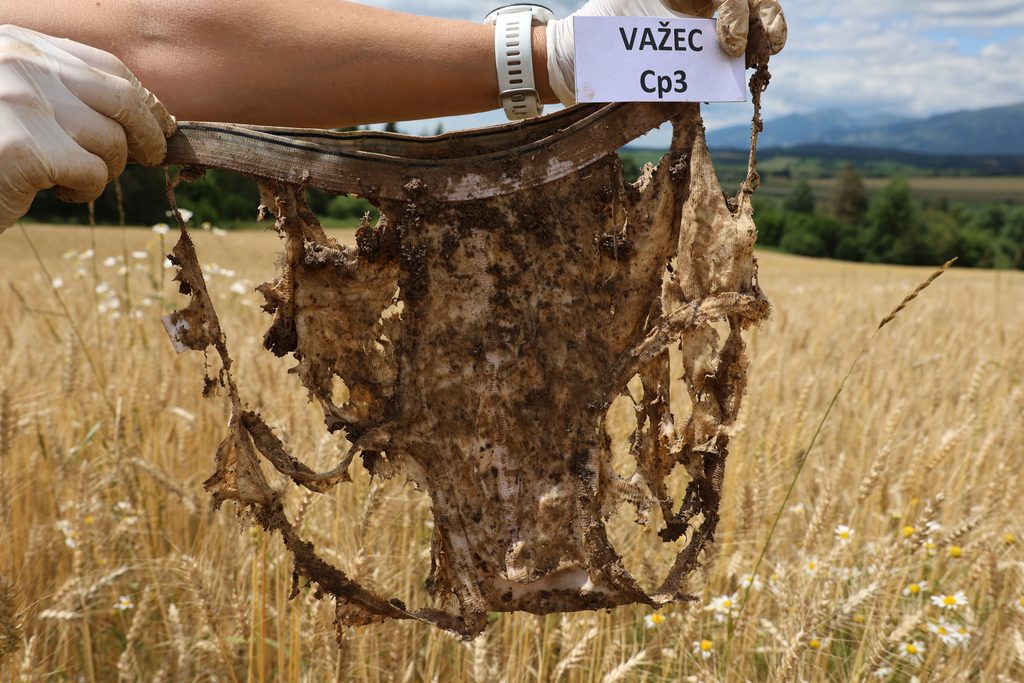
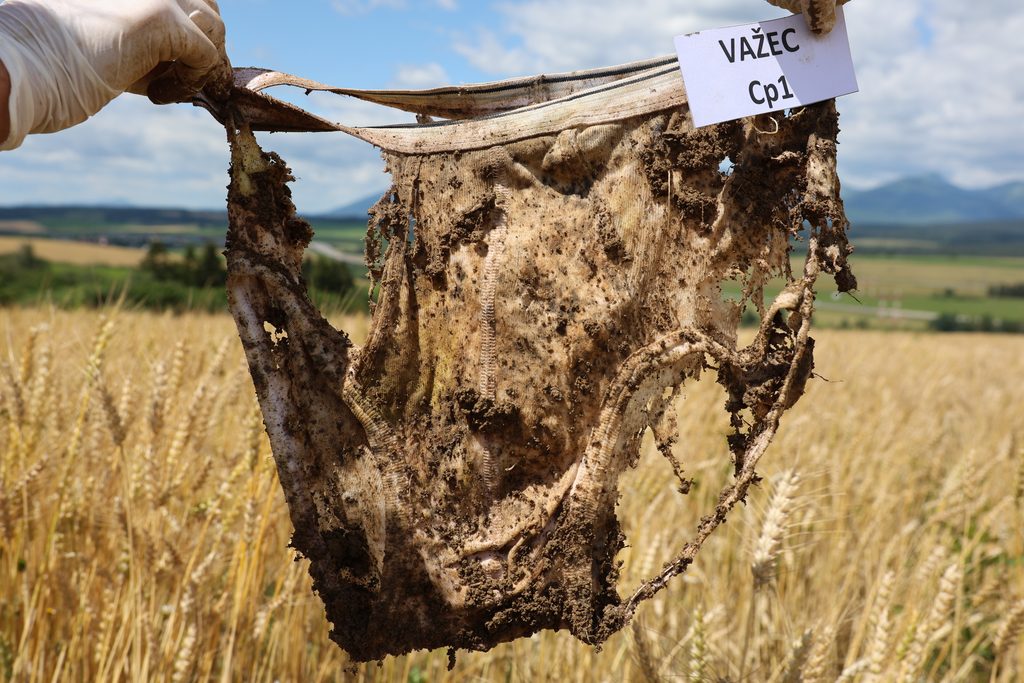
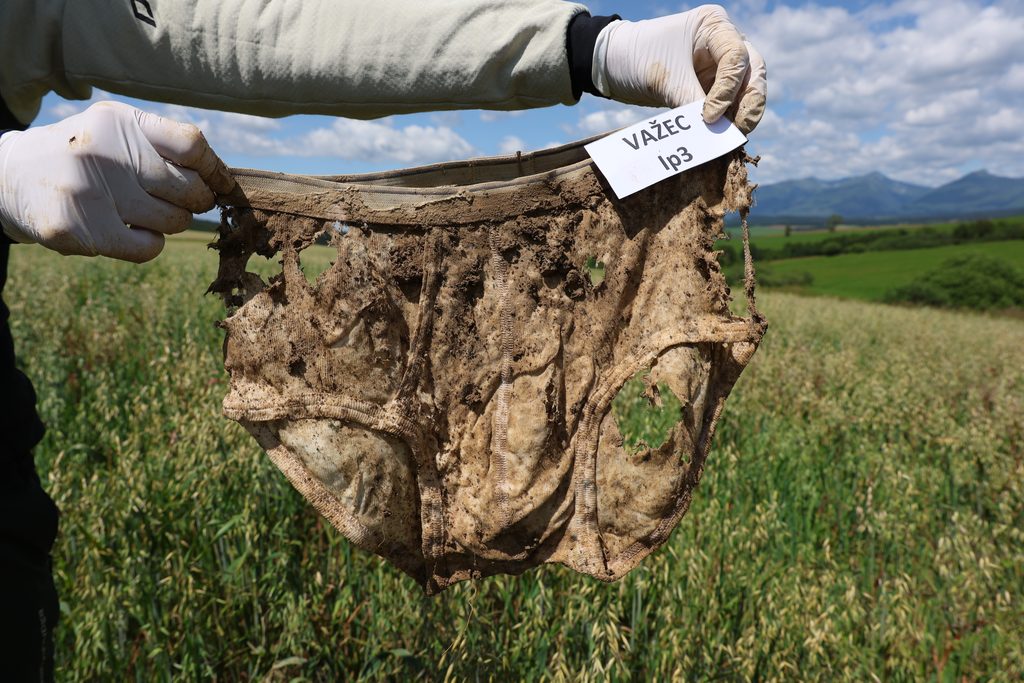
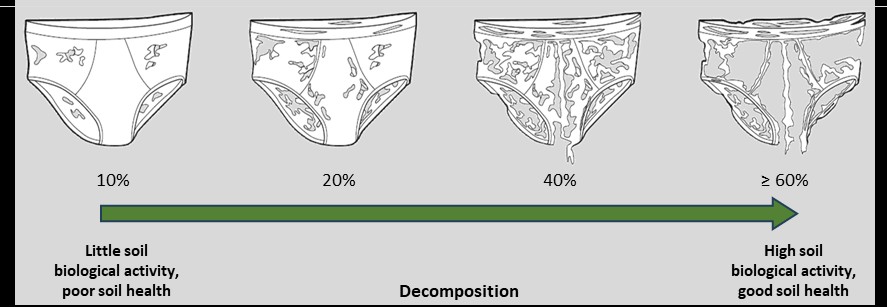
During the summer, we continued assessing soil health at AELL Tatry in Važec and Poprad using the interesting Soil Your Undies test. The purpose of this test is to provide a visually appealing and engaging assessment of soil biological activity and the rate of organic matter decomposition. At the end of May, we buried cotton underwear at three locations on both innovative and control plots. The underwear remained in the soil for eight weeks. After excavation, we visually evaluated the percentage of organic matter decomposition, in this case, the decomposition of the cotton fabric itself.
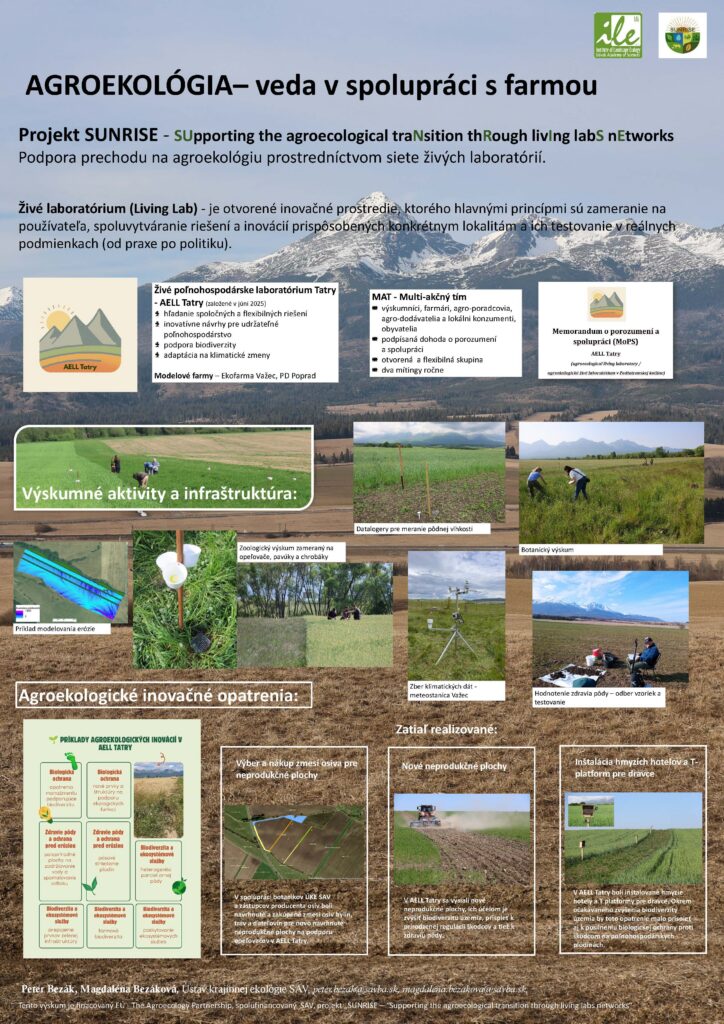
On 18 June 2026, a Farmers’ Day was held at the Kriváň Biofarm in Važec. As part of the exhibition of the Institute of Landscape Ecology of the Slovak Academy of Sciences, the live agro‑ecological laboratory AELL Tatry was also presented. The displayed poster contained basic information about AELL as well as the agro‑ecological and scientific activities carried out within AELL.
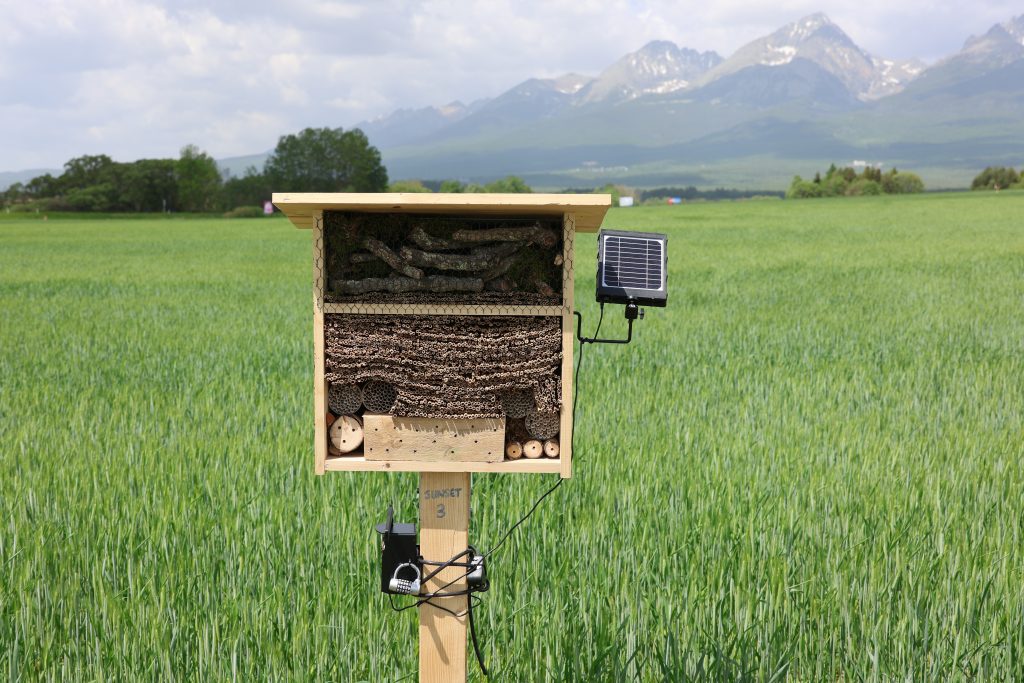
On the innovative agricultural site AELL Tatry, insect hotels and T‑perches for raptors have been installed. In addition to the expected increase in local biodiversity, this measure should also contribute to strengthening biological pest control in agricultural crops.


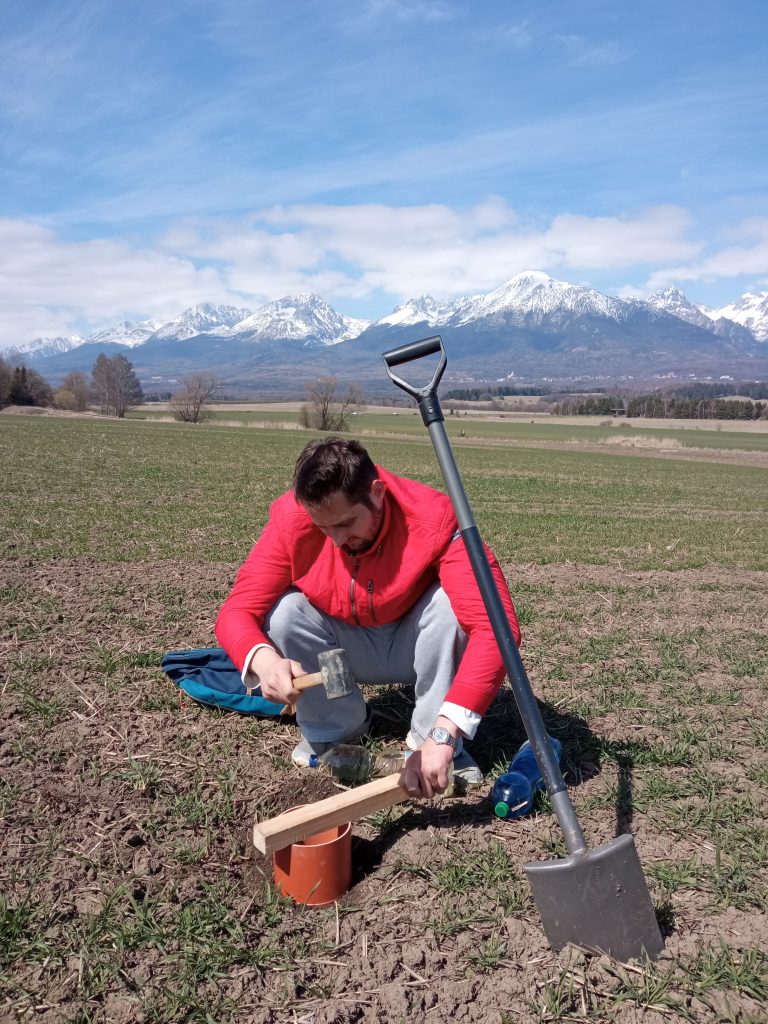
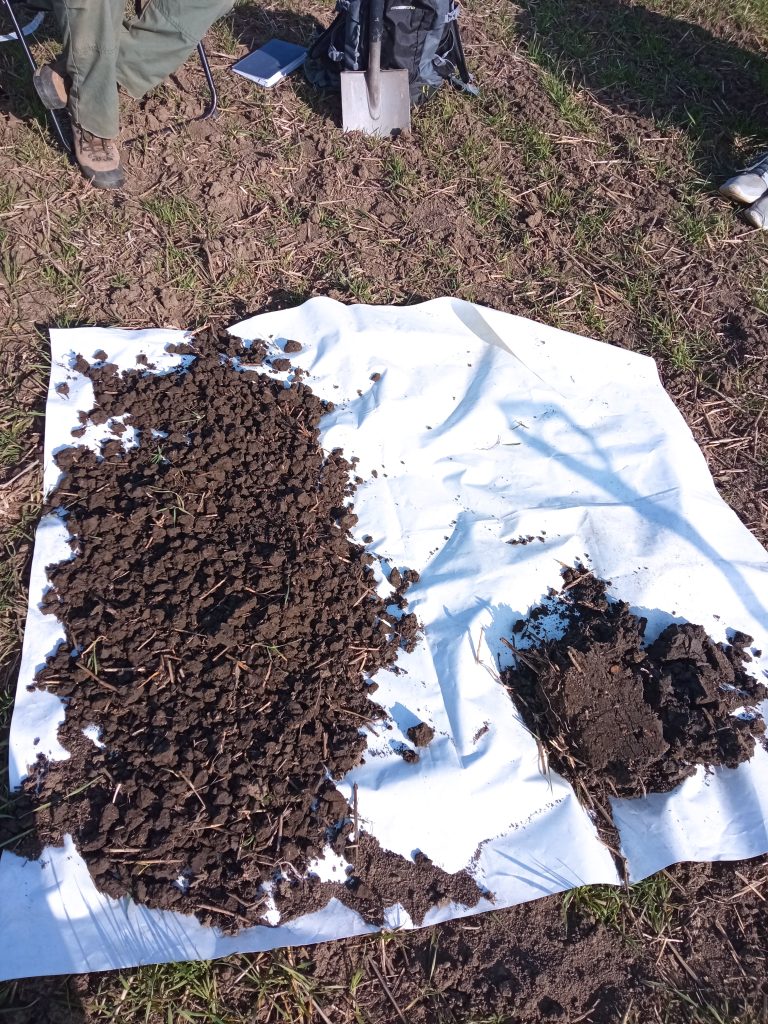
In March and April 2026, we carried out soil sampling and soil tests within the SUNRISE project at the sites in Važec and Poprad. The laboratory analysis of the soil samples will focus on several soil properties, such as dry matter content, soil texture, nutrient content, carbon content, soil pH, and bulk density. As part of the field testing, we monitored soil texture, soil moisture, infiltration rate, earthworm abundance, soil pH, and penetration resistance.

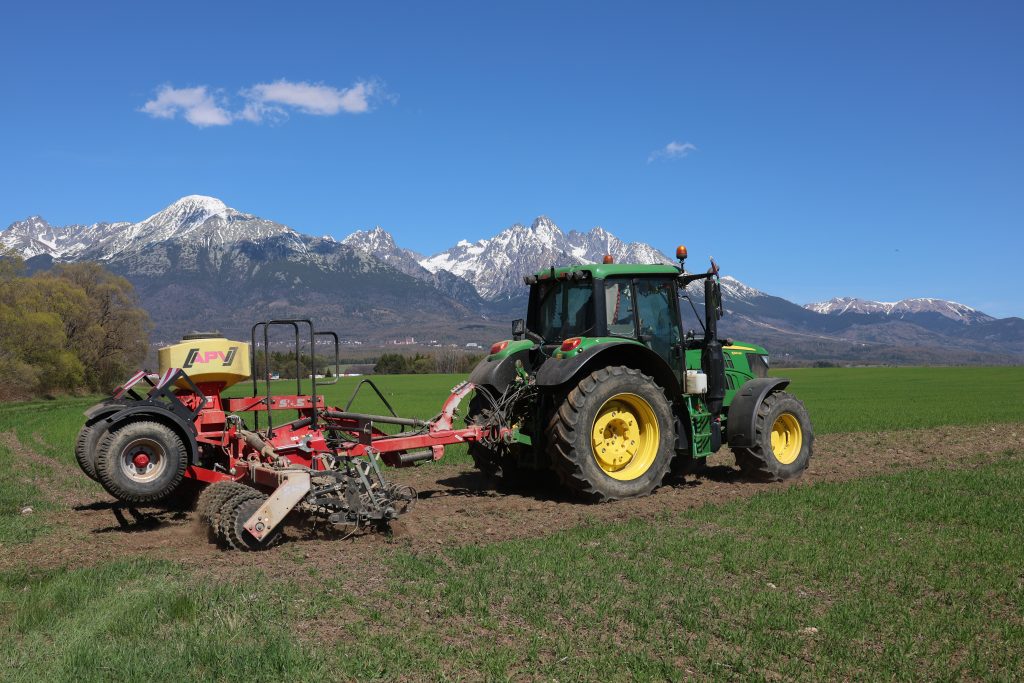
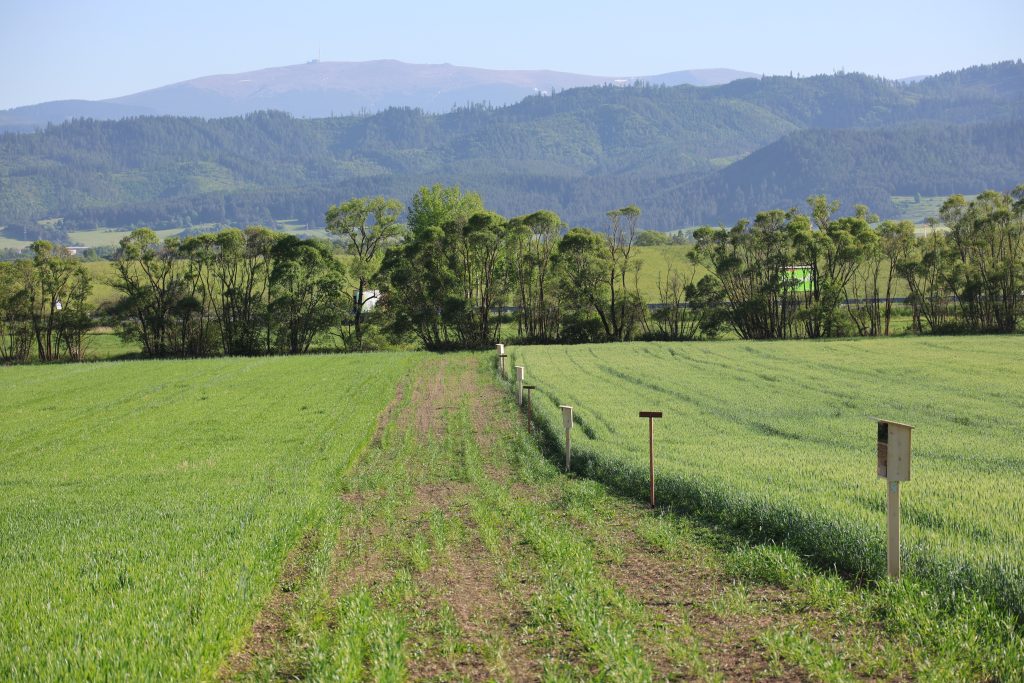
As part of the innovative agroecological measures, new non‑productive areas were sown. Special seed mixtures were used, developed in cooperation between botanists and representatives of a company producing seed blends.
The new non‑productive areas are expected to increase the biodiversity of the site, contribute to the biological protection of crops, and support soil health.